
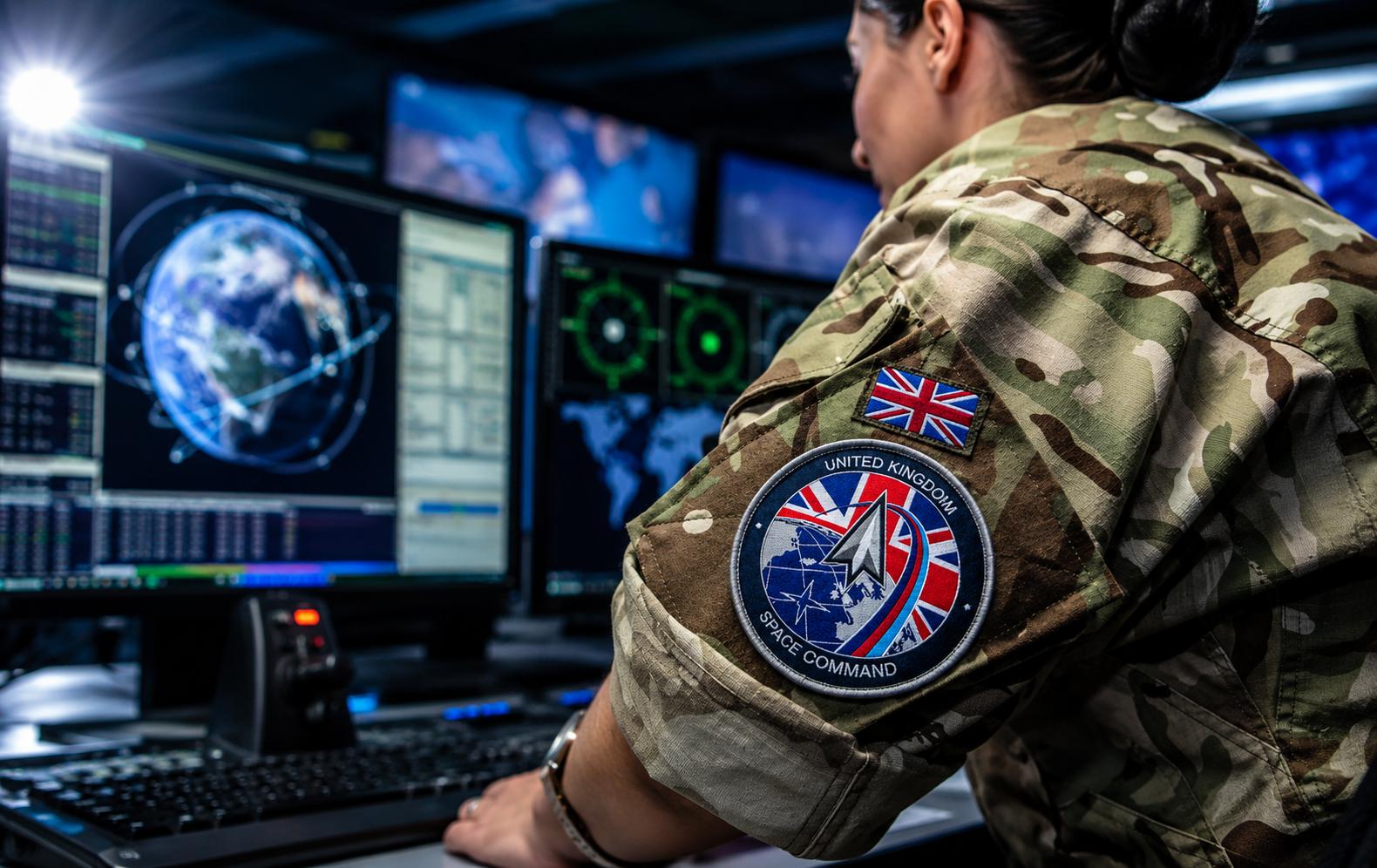
A powerful new British space defence system designed to protect satellites from growing threats in orbit has officially become operational, with ministers describing it as a major step forward for national security, military capability and the future of the UK economy.
The software platform, known as Borealis, has been developed to improve Britain’s ability to monitor activity in space, identify potential threats and safeguard the satellites relied upon every day by millions of people across the country. From emergency services and military communications to banking systems, navigation and weather forecasting, satellites now play a critical role in modern life.
The announcement comes alongside the release of the first ever images captured by the UK’s Noctis-1 military space telescope, which tracks objects orbiting Earth and provides vital data used to protect British satellites from collisions and hostile activity.
Government officials say the new technology demonstrates how rapidly space is becoming one of the most strategically important areas for defence and economic growth. Experts also believe the investment could create wider opportunities for regions such as Newcastle and the North East, where advanced engineering, digital technology and defence-linked industries continue expanding.
What is the Borealis space system.
Borealis is a highly advanced software platform created to monitor and analyse activity in Earth’s orbit. The system rapidly processes huge amounts of information collected from multiple sources, helping the UK identify potential dangers to satellites more quickly and accurately.
The technology has been introduced six months ahead of schedule and will now support operations inside the National Space Operations Centre, the organisation responsible for overseeing Britain’s space surveillance and protection activities.
According to the Ministry of Defence and the UK Space Agency, Borealis has been designed to track objects including space debris, active satellites and potential threats posed by hostile nations.
The software compiles data at high speed and creates a constantly updated picture of what is happening in orbit around Earth. Military commanders and analysts can then use the information to make faster operational decisions and respond more effectively to emerging risks.
Experts say this type of technology is becoming increasingly important as Earth’s orbit becomes more crowded with satellites and debris. The number of active objects in space has risen sharply over the past decade as governments and private companies launch new systems for communications, navigation and internet services.
Why satellites are so important to everyday life.
While many people rarely think about satellites, modern society depends heavily on them every single day.
Satellite systems support everything from mobile phone networks and internet connectivity to banking transactions, GPS navigation and weather forecasting. Emergency services and military operations also rely heavily on secure communications provided by satellites orbiting Earth.
Government figures suggest nearly 20 percent of the UK economy now depends in some way on satellite services and space-based infrastructure.
That means any disruption caused by cyber attacks, hostile activity or space debris could have major consequences for businesses, public services and national security.
Military experts have repeatedly warned that space is becoming an increasingly contested environment, with global powers investing heavily in technologies capable of targeting or disrupting satellites.
The new Borealis system has been introduced partly in response to those growing risks.
Luke Pollard MP, Minister for Defence Readiness and Industry, described space as a contested domain and stressed the importance of protecting British satellites from adversaries.
He said safeguarding satellites was essential not only for military operations but also for maintaining economic stability and protecting the services people rely on every day.
First images released from Noctis-1 telescope.
Alongside the launch of Borealis, the government has also released the first public images captured by Britain’s Noctis-1 military telescope.
The telescope, previously known as Nyx-Alpha, monitors objects in Earth’s orbit and provides detailed positional data about satellites and debris moving through space.
Among the images released are photographs of the International Space Station, the UK’s SKYNET military communications satellites and other orbiting systems from countries around the world.
Officials say information gathered by Noctis-1 feeds directly into the Borealis platform, helping improve the UK’s overall awareness of activity in space.
The telescope forms part of a wider strategy to strengthen Britain’s independent space monitoring capability and reduce reliance on international partners for critical surveillance information.
A second telescope, Noctis-2, is expected to follow in the near future as the UK continues expanding its space defence infrastructure.
Major General Paul Tedman, Commander of UK Space Command, said protecting the “invisible front line” in space required the ability to understand orbital activity and make rapid decisions using advanced technology.
He described data as the “coin of the realm” in modern space operations and said Borealis would help operators interpret vast amounts of information far more effectively.
Newcastle and the North East could benefit.
Although the project is centred around national defence and space monitoring, analysts say investment in Britain’s growing space sector could also create opportunities for regions including Newcastle upon Tyne and the wider North East.
The UK government has increasingly highlighted the importance of developing advanced technology industries outside London and the South East. Cities such as Newcastle already have strong reputations in areas including software development, engineering, cybersecurity and digital innovation.
Universities in Newcastle are also heavily involved in research linked to advanced manufacturing, artificial intelligence and data science, all of which are becoming increasingly important within the space sector.
Industry experts believe growing investment in defence technology and satellite infrastructure may eventually create new partnerships, jobs and supply chain opportunities across the North East economy.
The broader UK space industry already supports thousands of highly skilled jobs nationwide and is viewed as a major growth sector for the coming decades.
£65 million contract supports British jobs.
The Borealis system is being rolled out through a £65 million contract awarded to CGI UK, a company specialising in technology and defence systems.
The project is expected to support around 100 skilled jobs across sites in Leatherhead, Reading and Bristol over the next five years.
Officials say the programme forms part of the government’s wider defence spending increase, which will see UK defence expenditure rise to 2.6 percent of GDP from 2027.
The investment reflects growing concern among Western nations about the importance of securing strategic infrastructure in space.
As more countries develop satellite technology and military capabilities linked to orbit, governments are investing heavily in systems capable of detecting and responding to threats quickly.
CGI UK executives said delivering Borealis ahead of schedule demonstrated the strength of British engineering expertise and the country’s growing capability in advanced space systems.
Neil Timms, Senior Vice President of Space, Defence and Intelligence UK & Australia at CGI, said the software had been designed to adapt as operational demands and security threats continue evolving.
The growing threat of space debris.
One of the biggest challenges facing modern satellite systems is the increasing amount of debris orbiting Earth.
Thousands of inactive satellites, fragments from previous collisions and discarded rocket components now travel around the planet at extremely high speeds. Even relatively small pieces of debris can cause catastrophic damage if they collide with active satellites.
Space agencies worldwide are becoming increasingly concerned about congestion in orbit as more satellites are launched every year.
The UK government says Borealis will help monitor environmental conditions in space and improve awareness of potential collision risks affecting British satellites.
Protecting satellites from debris is considered essential because many systems support services that people depend on daily, including emergency communications and financial transactions.
The ability to track and respond to threats rapidly could become increasingly important as the global space economy continues growing.
Britain’s expanding role in space.
The launch of Borealis and the release of Noctis-1 images highlight the UK’s ambition to strengthen its position within the international space industry.
Government ministers say Britain aims to remain a responsible and trusted spacefaring nation while continuing to invest in advanced technology, national resilience and defence capabilities.
Space Minister Liz Lloyd MP described Borealis as a significant advancement in the UK’s ability to monitor and defend critical space infrastructure.
She said the joint investment between the UK Space Agency and UK Space Command would help ensure Britain remained a world leader in understanding and protecting the space environment for future generations.
Experts believe space technology will become even more important over the next decade as countries compete for strategic advantages in communications, defence and digital infrastructure.
For Newcastle and other regions hoping to attract investment in advanced industries, Britain’s growing focus on space technology may present major economic opportunities in the years ahead.
A new era for UK space defence.
The launch of Borealis represents another major milestone in Britain’s rapidly evolving space strategy.
As satellites become increasingly essential to military operations, economic stability and everyday life, protecting them is now viewed as a national priority.
The combination of advanced monitoring software and military telescopes like Noctis-1 gives the UK stronger capabilities to detect threats, prevent collisions and maintain awareness of what is happening in orbit.
While much of the technology operates far above Earth’s atmosphere, its impact could eventually be felt in cities like Newcastle upon Tyne through investment, skilled jobs and growing opportunities in Britain’s expanding technology sector.
The growing importance of space infrastructure means developments like Borealis are likely to play an increasingly central role in the UK’s future defence and economic planning.
Do you think the UK should invest more in space defence and satellite protection technology? Share your thoughts in the comments and join the discussion on Britain’s growing role in the global space industry.
Tech News
Britain’s New Satellite Defence Network Goes Operational Early
Advertisement




Comments (0)
You must be logged in to post comments.
Don't have an account? Register here
No comments yet. Be the first to share your thoughts!