
For generations, the North-East has been known for industry, football and strong local identity. But across Newcastle and the wider region, another force has quietly helped shape communities and bring people together - art.
From colourful murals in former industrial streets to packed independent galleries, music venues and community workshops, creativity has become a major part of life in the North-East. While art is often associated with exhibitions and expensive collections, many of the region’s most important creative projects are happening far away from traditional gallery spaces.
Instead, they are taking place in libraries, youth centres, old warehouses, schools and community halls where local people are using creativity to connect with one another, celebrate local identity and tackle social isolation.
In cities and towns across the region, art is no longer just something to look at. It has become something communities actively build together.
Newcastle’s creative identity continues to grow.
Newcastle has long held a reputation as one of the UK’s cultural hubs outside London. Institutions such as the Baltic Centre for Contemporary Art, The Glasshouse International Centre for Music and the Laing Art Gallery attract visitors from across the country each year.
But many residents believe the city’s strongest creative energy comes from smaller grassroots projects that directly involve local people.
Across areas like Ouseburn, Byker and Shieldfield, artists have transformed unused industrial spaces into studios, workshops and performance venues. These spaces not only support local creatives, but also create opportunities for residents to engage with art in ways that feel welcoming and accessible.
Community exhibitions, free workshops and local festivals regularly draw together people from different backgrounds who may never otherwise meet. In many neighbourhoods, these projects have helped create stronger social ties and a greater sense of belonging.
The growth of Newcastle’s independent arts scene has also brought renewed confidence to areas previously overlooked for investment.
Public art is changing local spaces.
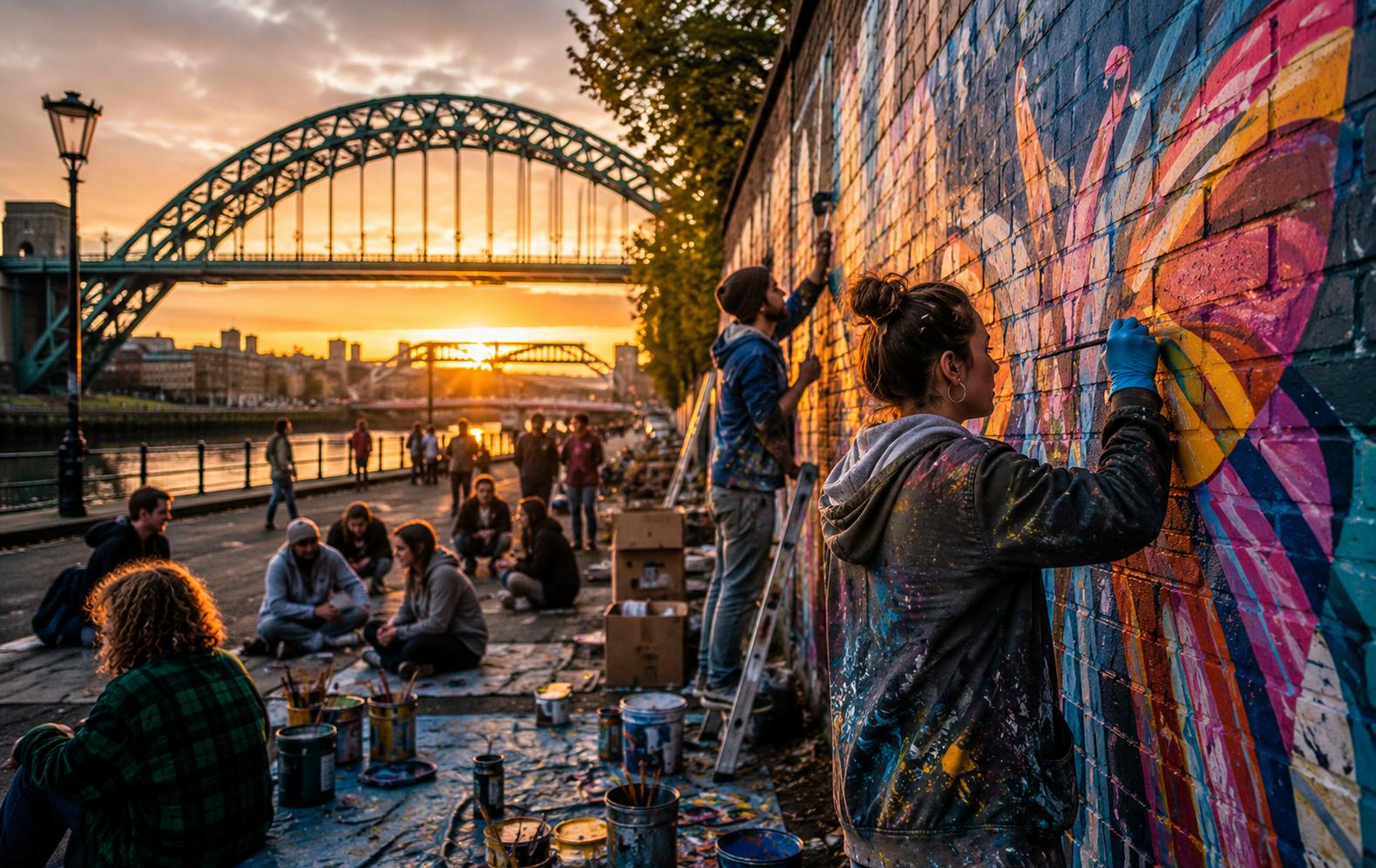
One of the biggest reasons art has become such a powerful community tool is its visibility. Public murals, sculptures and installations can completely transform how people feel about an area.
In Newcastle and across the North-East, large-scale murals have appeared on the sides of buildings, underpasses and community centres, often reflecting local history and identity. Rather than feeling disconnected from everyday life, these artworks often tell stories residents recognise immediately.
In places where empty buildings or neglected streets once dominated the landscape, public art has helped create pride and renewed interest in local communities.
Artists working on these projects frequently involve residents directly in the design process. Young people, schools and local organisations are often invited to contribute ideas or take part in painting sessions, helping communities feel ownership over the final result.
That sense of involvement matters. Studies have repeatedly shown that people are more likely to care for public spaces when they feel personally connected to them.
Art projects are helping tackle loneliness.
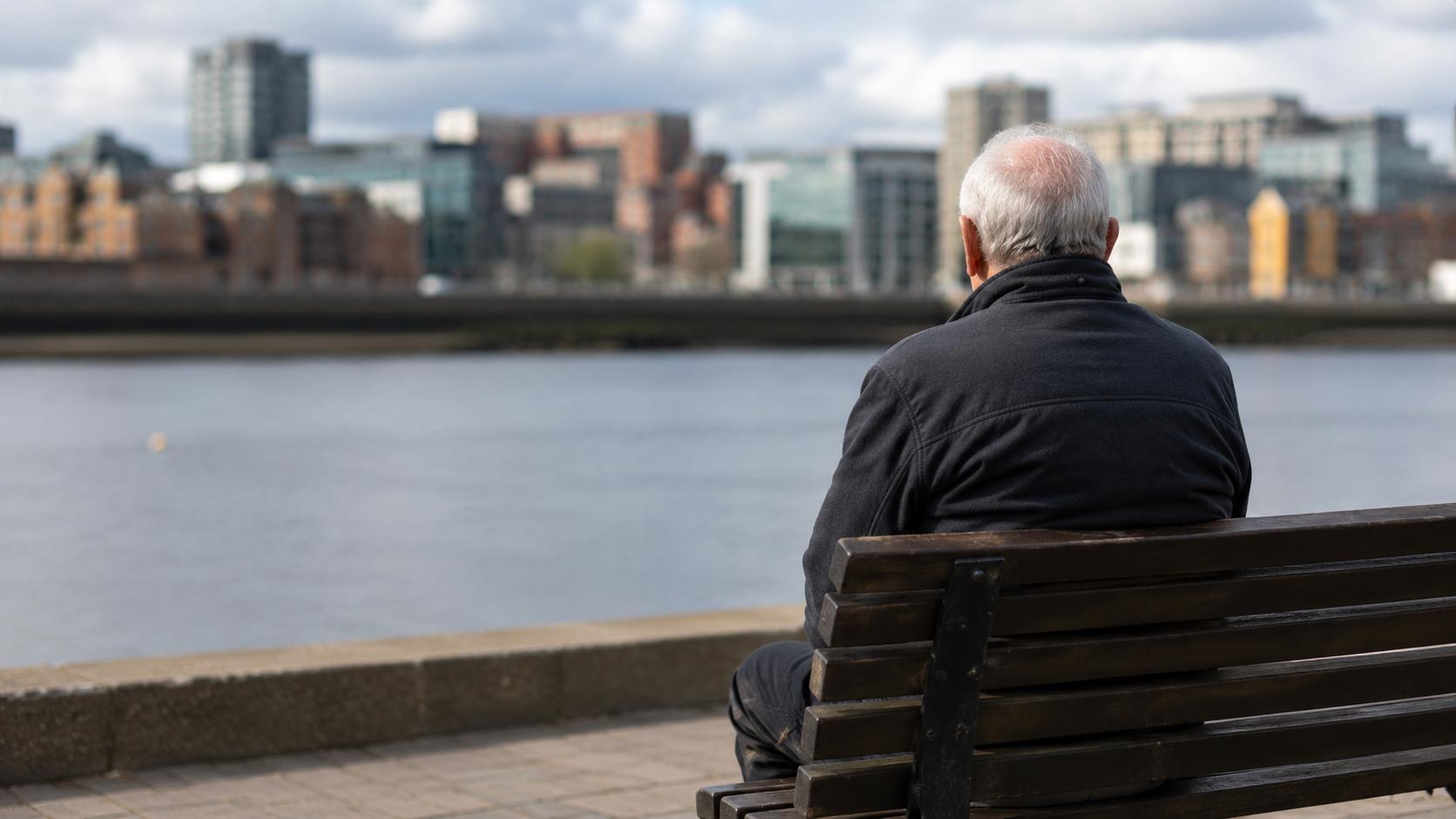
Across the UK, loneliness and social isolation have become growing concerns, particularly since the pandemic. In the North-East, community arts groups have played an important role in bringing people together again.
Creative workshops, local theatre groups, photography clubs and craft sessions now provide social opportunities for people of all ages. For many participants, the experience is about far more than painting or performance.
It is about conversation, confidence and feeling part of something.
In Newcastle, several community organisations now run arts programmes specifically aimed at older residents, people struggling with mental health challenges and young people at risk of social exclusion.
These sessions often remove the pressure traditionally associated with art. Participants are encouraged to focus on expression and connection rather than technical skill.
Many organisers say they regularly see strangers become friends through shared creative projects.
The North-East’s industrial history inspires artists.
The region’s industrial past continues to influence much of its creative output. Shipbuilding, coal mining and manufacturing remain deeply connected to local identity, and artists frequently explore those themes in exhibitions, photography and public installations.
In towns across County Durham, Sunderland and Teesside, former industrial sites have been turned into cultural venues and creative spaces. These projects allow communities to preserve important local history while also creating something new for future generations.
Rather than erasing the past, many North-East artists use creativity to reinterpret it.
This connection between history and modern creativity has become one of the defining features of the region’s cultural identity. Visitors are often drawn to the North-East because its art feels grounded in real places and real experiences rather than disconnected from local life.
Young creatives are shaping the future.
One of the most significant developments in recent years has been the rise of young independent artists across Newcastle and the wider North-East.
Social media has allowed local creatives to reach larger audiences without leaving the region, while affordable studio spaces compared with cities like London and Manchester have encouraged many artists to stay in the North-East.
This has helped create a growing network of independent designers, illustrators, photographers and musicians who actively collaborate with local communities.
Markets, pop-up exhibitions and creative festivals now attract large crowds throughout the year. Events celebrating local makers and artists have become increasingly popular because they offer something personal and community-driven.
Many younger artists also focus heavily on accessibility, ensuring that people who might feel intimidated by traditional art spaces still feel welcome to participate.
Why community art matters more than ever.
At a time when many communities across the UK are dealing with financial pressure and social division, creative projects often provide something positive and unifying.
Art gives people opportunities to share stories, discuss local issues and celebrate identity without political barriers. In the North-East particularly, there is a strong tradition of communities supporting one another through difficult times, and creativity has become another extension of that spirit.
Many local councils and organisations now view investment in arts programmes not simply as cultural spending, but as a way of improving wellbeing, tourism and economic activity.
Independent cafes, galleries, live music venues and creative markets also help support local businesses while making towns and cities more attractive places to live and visit.
For Newcastle and the wider region, art has become part of the area’s wider regeneration story.
Creativity continues to unite the North-East.
While major galleries and cultural institutions remain important, the real strength of the North-East arts scene often lies in ordinary people creating something together.
Whether it is a mural painted by local teenagers, a photography exhibition exploring community identity or a craft workshop helping isolated residents meet new people, art continues to create meaningful connections across the region.
In Newcastle and beyond, creativity is helping communities feel stronger, more confident and more connected to where they live.
That impact goes far beyond galleries and exhibitions. It shapes how people see their neighbourhoods, how they connect with each other and how the North-East tells its story to the rest of the country.
How has art helped shape your local community in Newcastle or the North-East? Share your experiences and favourite creative projects in the comments and join the conversation around the region’s growing cultural scene.
Community News
How Art Is Bringing Communities Together Across Newcastle and the North-East
Advertisement

Comments (0)
You must be logged in to post comments.
Don't have an account? Register here
No comments yet. Be the first to share your thoughts!