
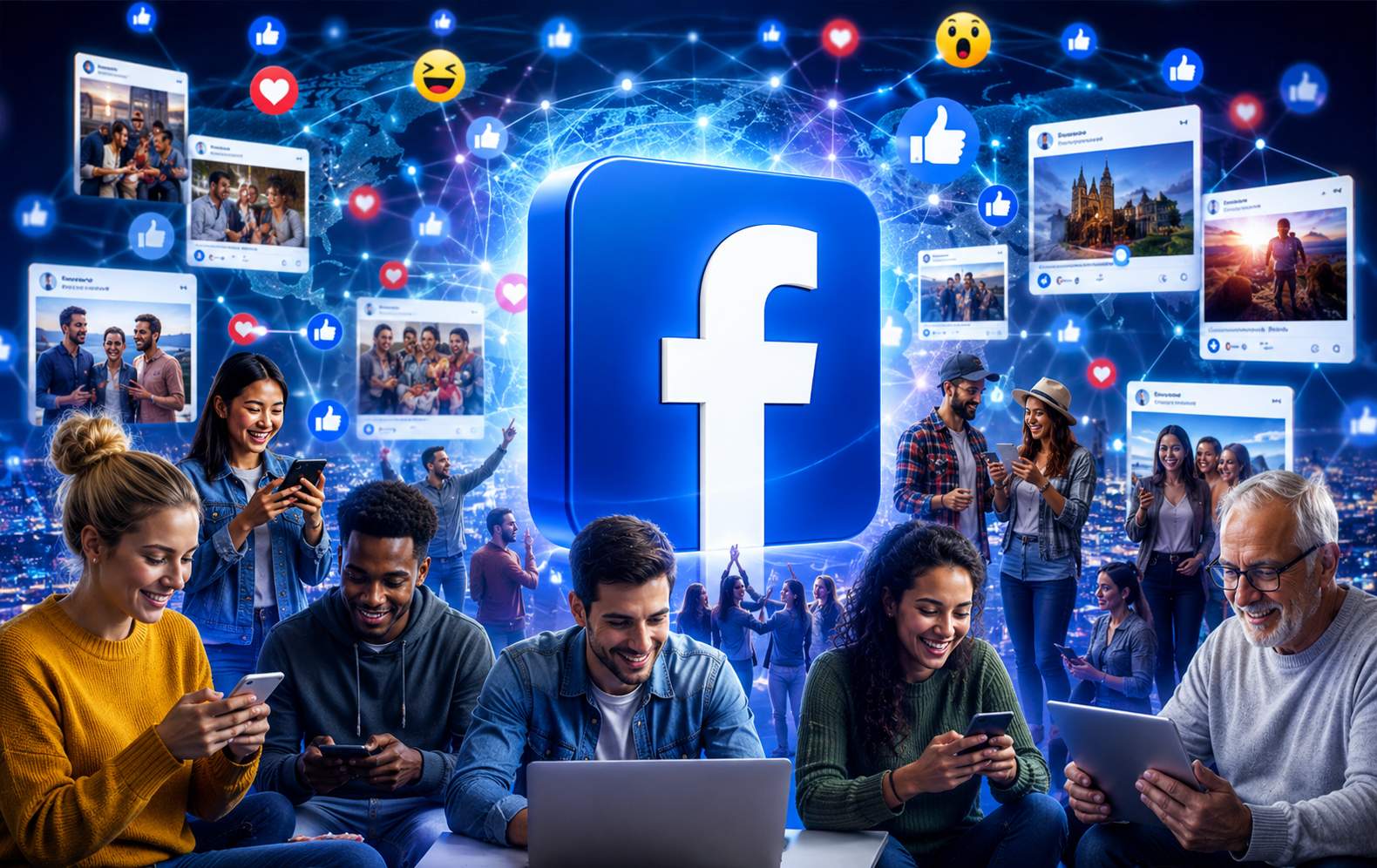
Few websites have changed the internet as dramatically as Facebook. What started as a university networking project in the early 2000s quickly evolved into one of the world's most influential social media platforms. Over the years, Facebook has shaped how people communicate, consume news, share memories and even run businesses online.
Despite the rise of newer platforms such as TikTok, Instagram and Snapchat, Facebook continues to attract billions of active users worldwide. While younger audiences may spend more time elsewhere, Facebook remains deeply integrated into everyday online life for families, communities, businesses and organisations across the globe.
Its influence extends far beyond social networking alone. Facebook has become a major force in advertising, entertainment, politics and digital communication, helping redefine how people interact online.
How Facebook First Started.
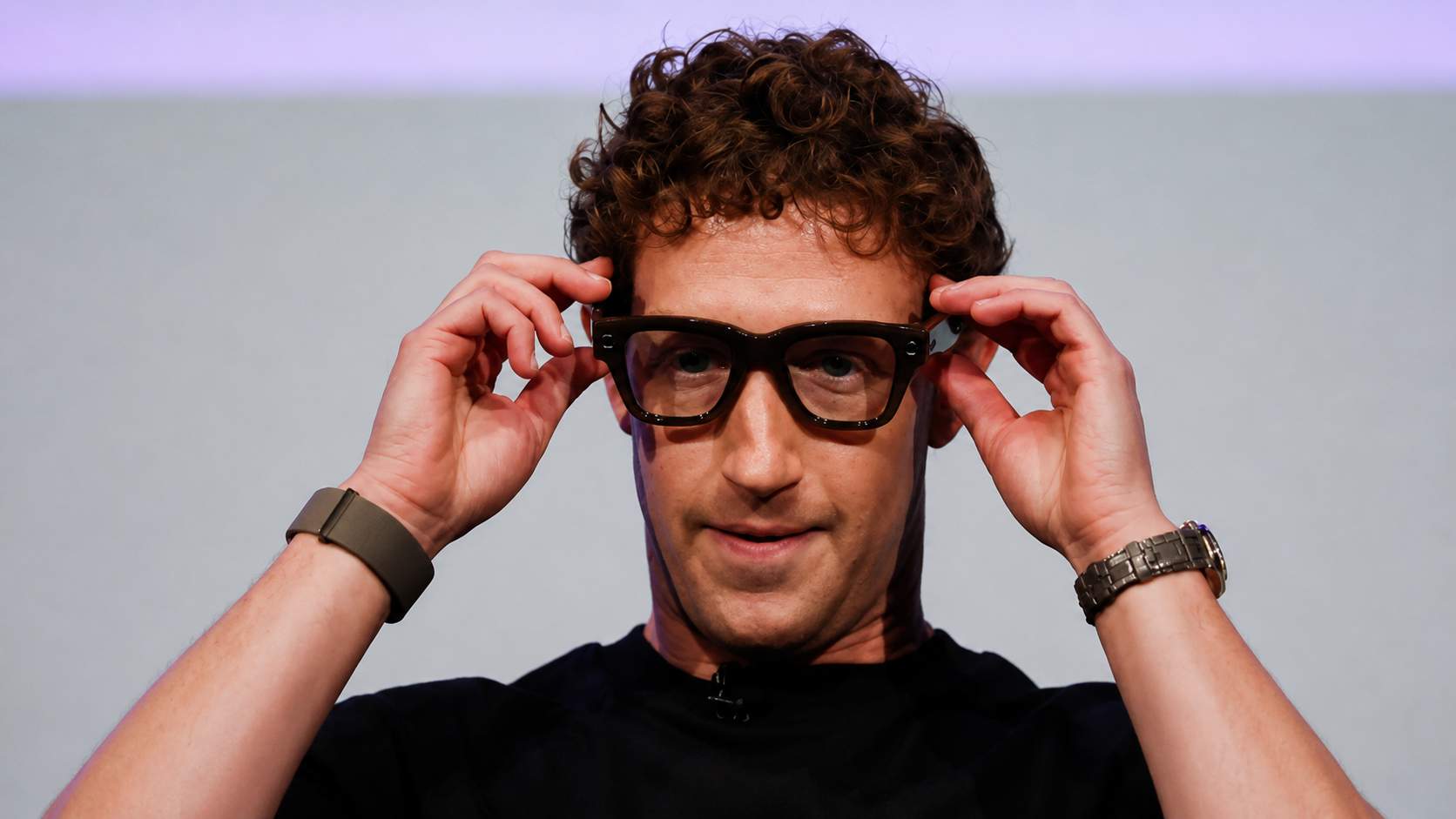
Facebook was launched in February 2004 by Mark Zuckerberg along with fellow Harvard University students Eduardo Saverin, Andrew McCollum, Dustin Moskovitz and Chris Hughes. Originally called "TheFacebook", the platform was designed as a digital directory that allowed university students to connect with each other online.
At first, Facebook was only available to Harvard students, but its popularity spread quickly to other universities across the United States. The platform offered something different from older social networking websites because it focused on real identities and personal connections rather than anonymous usernames.
Students could upload photos, update profiles and communicate with classmates in ways that felt modern and interactive at the time. The simplicity of the platform played a huge role in its rapid growth.
By 2006, Facebook opened registration to the general public and quickly expanded internationally. Within just a few years, the platform became one of the fastest-growing websites in internet history.
Facebook's Rapid Growth Changed the Internet.
As Facebook expanded globally, it fundamentally changed the way people used the internet. Before social media became mainstream, most online activity revolved around forums, blogs and static websites. Facebook introduced a more personalised experience built around sharing updates, photos and interactions in real time.
The introduction of the News Feed became one of the platform's defining features. Instead of visiting separate profile pages individually, users could now scroll through updates from friends, family and businesses in one continuous stream.
This shift changed user behaviour across the internet and influenced nearly every social media platform that followed. Features now considered standard across social media, including timelines, likes, comments and photo tagging, became mainstream largely because of Facebook.
The platform also transformed online communication by making digital interaction feel more immediate and personal.
Who Mainly Uses Facebook Today.
Facebook's user base has evolved significantly over the past decade. While younger users have increasingly migrated towards platforms like TikTok and Snapchat, Facebook still maintains an enormous global audience across multiple age groups.
Adults aged between 25 and 55 remain among the platform's most active users, particularly for community groups, family updates, local news and business interactions. Older generations have also embraced Facebook because of its straightforward design and familiarity.
One of Facebook's biggest strengths is its broad demographic appeal. Unlike some platforms that focus heavily on younger audiences or visual content, Facebook attracts people with a wide variety of interests and online habits.
Businesses, local organisations and community groups also continue using Facebook heavily because of its ability to connect people within specific regions or interest groups.
In many countries, Facebook remains one of the internet's primary communication tools.
Facebook Groups Became One of Its Strongest Features.
While many social media platforms focus heavily on influencers and viral trends, Facebook built much of its long-term success around communities.
Facebook Groups allow users to create dedicated spaces for hobbies, local areas, businesses, parenting advice, sports discussions and countless other interests. These groups have become one of the platform's defining features and continue attracting millions of daily users.
Local community groups are especially important because they provide information that cannot easily be found elsewhere. People regularly use Facebook Groups to discuss local news, buy and sell items, recommend businesses and organise events.
This community-driven approach helps Facebook maintain relevance even as entertainment-focused platforms continue growing in popularity.
Facebook Marketplace Changed Online Selling.
One of Facebook's most successful additions in recent years has been Facebook Marketplace. The feature allows users to buy and sell items locally through the platform without needing separate websites or apps.
Marketplace quickly became popular because of its convenience and integration with existing Facebook accounts. Users could instantly browse furniture, electronics, vehicles and household items within their local area while directly messaging sellers through Facebook Messenger.
For many users, Marketplace has replaced traditional classified advertising websites entirely. The feature also helped Facebook remain practical and useful beyond social networking alone.
Its success reflects Facebook's broader strategy of becoming a complete online ecosystem rather than simply a social media platform.
What Makes Facebook Different From Other Platforms.
One of the biggest differences between Facebook and newer social media platforms is its emphasis on relationships and communities rather than pure entertainment.
Platforms like TikTok focus heavily on short-form viral content driven by algorithms, while Instagram prioritises visual branding and lifestyle content. Facebook, however, remains more focused on personal networks, family connections and long-form interaction.
The platform also supports a much wider range of content formats than many competitors. Users can share text posts, photos, videos, live streams, event listings, community discussions and business updates all within one platform.
This versatility helps Facebook appeal to people who use social media for practical reasons rather than simply entertainment.
Another major advantage is Facebook's integration with Messenger, Marketplace, Groups and Pages, creating a highly interconnected user experience.
Facebook Became a Business Powerhouse.
Beyond personal use, Facebook transformed online advertising and digital marketing. Businesses of all sizes now rely heavily on Facebook Pages and paid advertising to reach customers.
The platform's advertising system became one of the most advanced digital marketing tools ever created because it allowed businesses to target highly specific audiences based on interests, locations and online behaviour.
Small businesses especially benefited from Facebook's ability to reach local customers without massive advertising budgets. Restaurants, gyms, retail stores and service providers all continue using Facebook to connect directly with communities.
Facebook also helped shape the rise of influencer marketing and branded social media content across the wider internet.
Criticism and Challenges Facing Facebook.
Despite its success, Facebook has faced growing criticism over privacy concerns, misinformation and mental health debates in recent years.
Questions surrounding data collection and political advertising created major global controversies during the late 2010s and early 2020s. Critics argued that Facebook's influence over information and communication had become too powerful.
The platform has also faced criticism regarding harmful content, online harassment and the spread of false information. As a result, Facebook has invested heavily in moderation systems and artificial intelligence designed to detect problematic content.
Competition from newer platforms has also forced Facebook to evolve continuously. Features such as Stories, Reels and short-form video content were introduced partly in response to growing pressure from rivals like Snapchat and TikTok.
Facebook's Rebrand to Meta.
In 2021, Facebook's parent company officially changed its corporate name to Meta. The move reflected a broader shift towards virtual reality, artificial intelligence and the concept of the "metaverse".
Although the Facebook platform itself kept its original name, the rebrand signalled the company's intention to move beyond traditional social media and focus on future digital technologies.
Meta now owns several major platforms including Instagram, WhatsApp and Threads, making it one of the largest technology companies in the world.
The rebrand also demonstrated how Facebook continues evolving rather than remaining fixed as a single website.
Why Facebook Still Matters in 2026.
Even after more than two decades online, Facebook continues to remain relevant because it serves purposes that many newer platforms do not fully replace.
For families, local communities, businesses and organisations, Facebook remains one of the easiest ways to communicate and stay informed. Birthdays, local events, business promotions and community discussions continue driving huge amounts of daily activity on the platform.
Its ability to combine social networking, messaging, local communities, selling tools and entertainment within one ecosystem remains one of its biggest advantages.
While the internet constantly changes, Facebook's adaptability has helped it survive multiple shifts in online culture and user behaviour.
Facebook Continues to Shape Digital Culture.
Facebook's impact on modern life is difficult to overstate. The platform helped redefine communication, online identity and digital relationships for an entire generation of internet users.
Although newer social media apps continue attracting younger audiences, Facebook remains one of the most widely used platforms in the world because of its practicality, familiarity and broad range of features.
As Meta continues investing in artificial intelligence, virtual reality and evolving digital experiences, Facebook's role within internet culture may continue changing. However, its influence on the history of social media and digital communication is already permanent.
Few platforms have shaped the online world as dramatically as Facebook and its presence continues affecting billions of people every single day.
Do you still use Facebook regularly or have you moved to newer social media platforms? Share your thoughts on how Facebook has changed over the years and whether it still plays a major role in your daily online life.
Tech News
How Facebook Became One of the Most Powerful Platforms in the World
Advertisement


Comments (0)
You must be logged in to post comments.
Don't have an account? Register here
No comments yet. Be the first to share your thoughts!