
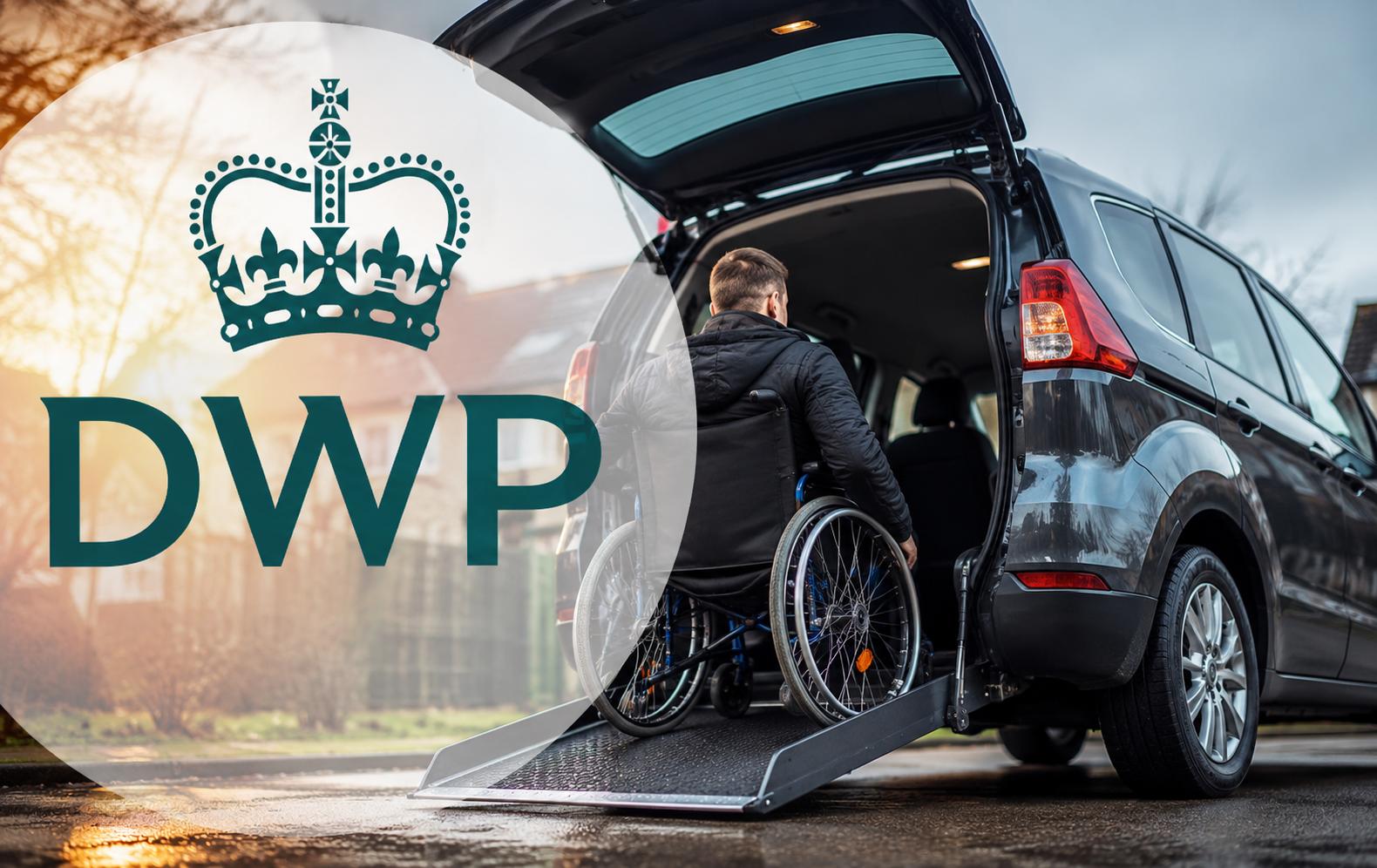
Thousands of disabled people across Newcastle and the wider North East are now facing growing uncertainty as major DWP mobility and Motability Scheme changes move closer, with some reforms set to begin affecting new customers within months.
For many families, the changes are already creating anxiety about whether they will still be able to afford the vehicles they rely on for work, hospital appointments, shopping and everyday independence.
The Government confirmed during last year’s Autumn Budget that VAT and Insurance Premium Tax will begin applying to new Motability Scheme leases from July 2026, increasing the cost of running the scheme across England, Wales and Northern Ireland.
While officials insist current lease holders will not be affected immediately, disability groups across Newcastle, Gateshead, Sunderland and County Durham say concern is growing rapidly among claimants who are approaching renewals or expecting to apply for the scheme soon.
For some disabled people, the fear is not simply about paying more money.
It is about potentially losing freedom altogether.
Why Disabled Families Across Newcastle Are Worried.
For many households across the North East, a Motability vehicle is not viewed as a luxury or convenience.
It is often the only reliable way disabled people can safely leave home, attend medical treatment, travel to work or avoid becoming socially isolated.
Many areas across Northumberland and County Durham already suffer from limited public transport links, inaccessible bus routes and long travel distances between hospitals and specialist healthcare services.
Campaigners say these realities mean mobility support is especially important across the North East.
Within months, however, new customers joining the Motability Scheme will begin facing higher costs linked directly to Government tax changes.
Disability charities say families are already contacting support organisations worried about what future renewals could cost.
One Newcastle welfare adviser described the growing concern as “quiet panic” among some claimants.
“People are frightened about what happens next,” they explained. “For many disabled people, losing access to suitable transport means losing independence completely.”
What Is Changing With The Motability Scheme?
The biggest confirmed change is that VAT and Insurance Premium Tax will begin applying to new Motability Scheme leases from 1 July 2026.
The changes will only affect new applications placed after that date.
Anyone currently leasing through Motability will keep their existing agreement unchanged for now.
However, new customers and people renewing leases after July 2026 are expected to face higher overall costs.
Importantly, VAT will not be added directly onto mobility allowance payments themselves.
Instead, the tax will apply to costs including:
Advance Payments.
Excess mileage charges.
Early termination fees.
This means some vehicles requiring larger upfront contributions may become significantly more expensive for disabled people trying to access the scheme in future.
Motability Operations says it has worked closely with the Motability Foundation to reduce the financial impact as much as possible while ensuring the scheme remains sustainable long-term.
But campaigners argue many disabled households are already financially stretched and may struggle to absorb additional costs.
Why The Changes Matter So Much In The North East.
The impact of the reforms may be felt especially strongly across parts of Newcastle and the wider North East where public transport options remain inconsistent.
For disabled people living in rural Northumberland or smaller County Durham communities, attending hospital appointments can already involve long journeys.
Some families also rely on Motability vehicles to transport wheelchairs, medical equipment or carers.
Without suitable transport, many fear basic tasks could become much harder within months.
Disability support groups warn that increased costs may eventually force some people to choose smaller unsuitable vehicles or leave the scheme altogether.
That could leave vulnerable people increasingly isolated from:
Healthcare appointments.
Employment opportunities.
Education.
Family support.
Social interaction.
Campaigners say many people who have never relied on disability support underestimate how life-changing accessible transport can be.
DWP Mobility Assessment Changes Are Also Causing Anxiety.
Alongside the Motability changes, wider DWP mobility reforms are continuing to generate concern among claimants.
Personal Independence Payment, commonly known as PIP, includes a mobility component that helps disabled people with travel and movement difficulties.
People awarded the enhanced mobility rate may qualify for the Motability Scheme.
However, disability organisations fear future changes to mobility assessments could make it harder for some claimants to qualify.
Particular concern surrounds people living with:
Severe anxiety.
Autism.
PTSD.
Neurological conditions.
Chronic pain disorders.
Fluctuating illnesses.
Campaigners argue mobility limitations are not always physically visible and cannot simply be measured by walking distance alone.
Many claimants already describe PIP reassessments as stressful, emotionally draining and deeply frustrating.
Mileage Limits And Tyre Rules Are Also Changing.
Additional changes affecting new Motability leases will also begin from July 2026.
Mileage allowances will change to:
Cars - 30,000 miles over three years.
Wheelchair Accessible Vehicles - 50,000 miles over five years.
Motability says most customers already drive within these limits, averaging around 7,500 miles annually.
However, families travelling frequently for specialist healthcare or rural appointments worry extra mileage charges could become another growing financial burden.
Tyre replacement limits are also changing.
Future lease agreements will include:
Up to six tyres during a three-year lease.
Up to 10 tyres during a five-year lease.
A limited number of these replacements can also cover accidental damage.
While Motability says the changes reflect average customer usage, some claimants fear the cumulative effect of multiple reductions and additional charges will gradually make the scheme harder to access.
What Is Staying The Same?
Despite the changes, several core parts of the Motability package will remain protected.
Scheme leases will still include:
Insurance for up to three drivers.
Servicing and maintenance.
UK breakdown cover.
Dedicated customer support.
Vehicle servicing assistance.
The Motability Foundation has also confirmed it will continue offering grants for eligible customers and plans to spend up to £650 million across its activities by 2030.
However, the charity has acknowledged it is reviewing how support funding is distributed in response to the changing financial landscape.
Many Disabled People Feel Forgotten.
For many disabled people across Newcastle and the North East, the growing frustration is not only about money.
It is the feeling that independence itself is becoming increasingly difficult to afford.
Campaigners say accessible transport should not be viewed as an optional extra.
For many people, it is the foundation that allows them to participate in society with dignity.
Without suitable vehicles, some disabled people fear becoming trapped at home, isolated from work, healthcare and even family life.
As one North East carer explained: “People see a car and think it is a perk. What they do not see are the hospital trips, the specialist appointments, the wheelchairs and the fact that without that vehicle some people would barely be able to leave their house.”
What Claimants Should Do Next.
Current customers are being reminded that existing leases remain unchanged for now.
However, people planning to apply for or renew Motability vehicles after July 2026 are being urged to stay informed as further updates emerge over the coming months.
Welfare advisers across Newcastle are also encouraging claimants to:
Keep medical evidence updated.
Save DWP paperwork.
Seek advice before reassessments.
Challenge incorrect decisions.
Review future Motability costs carefully.
With the changes now moving closer, many disabled families across the North East say they are watching developments with growing concern about what life may look like within the next year.
Will the DWP mobility changes or Motability updates affect you or your family in Newcastle or the North East? Share your experiences and concerns in the comments below.
Political News
Major DWP And Motability Changes Could Push More Disabled Newcastle Families Into Crisis.
Advertisement



Comments (0)
You must be logged in to post comments.
Don't have an account? Register here
No comments yet. Be the first to share your thoughts!