
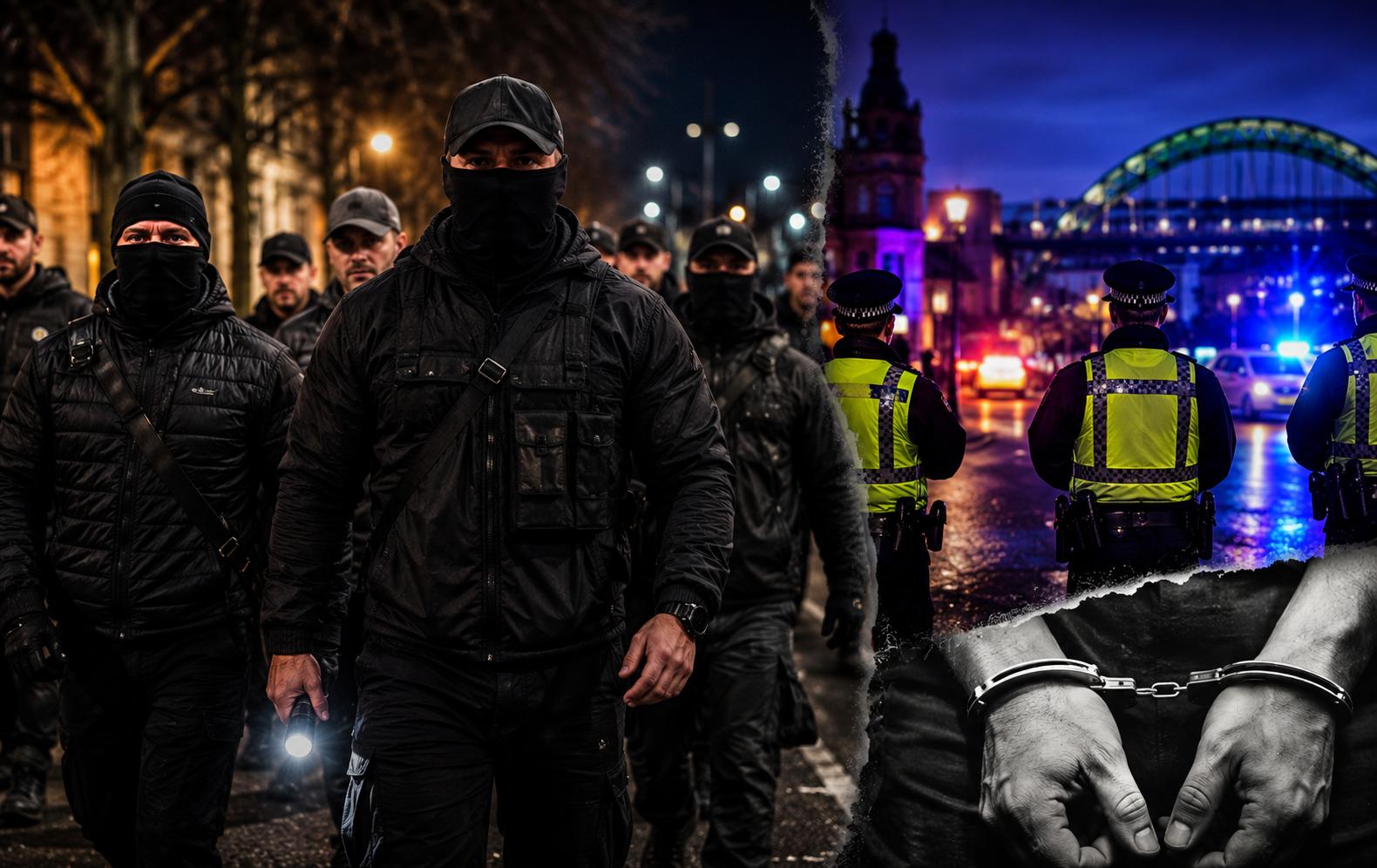
The rise of citizen-led protection groups across the United Kingdom is reigniting a difficult national debate about crime, public safety and whether communities are beginning to lose faith in traditional policing.
One organisation attracting growing attention is The Shield, a nationwide network that describes itself as a community protection movement designed to support vulnerable people, expose organised criminal activity and help restore public confidence in safety. Supporters argue these groups are filling dangerous gaps left behind by overstretched police forces and slow-moving bureaucracy. Critics, however, warn that vigilante-style operations risk creating even greater problems for law enforcement and public trust.
The debate is becoming increasingly relevant in places such as Newcastle, where they were 'patrolling' recently and across the North East, where concerns over anti-social behaviour, organised exploitation, grooming gangs and violent crime continue to dominate public discussion both online and in local communities.
The rise of community-led protection groups.
The Shield presents itself as more than just a neighbourhood patrol network. According to information published by the organisation, it operates as a coordinated structure made up of volunteers, former military personnel, safeguarding specialists, intelligence experts and ex-police figures.
The group says it was formed in response to growing frustration felt by communities across Britain who believe serious crimes are not being addressed quickly enough by official channels.
Its message focuses heavily on unity and public protection. The organisation claims to support families, vulnerable individuals and communities affected by exploitation, abuse and organised criminal behaviour.
In promotional material, The Shield describes itself as “a voice for all communities” and says it aims to provide support, guidance and practical action where victims feel abandoned by existing systems.
That language has resonated with some members of the public who feel increasingly concerned about crime levels and community safety.
Vigilantism or community action?
The growing visibility of groups such as The Shield has inevitably raised questions about where the line exists between lawful community support and vigilantism.
Traditionally, vigilante groups are defined as organisations or individuals who attempt to enforce laws or punish wrongdoing outside official legal systems. In the UK, police and legal experts have often warned that such actions can interfere with investigations, compromise evidence or place both suspects and the public in danger.
However, supporters of community patrol groups argue that modern citizen-led operations are often misunderstood. They insist many groups operate within legal frameworks and focus primarily on intelligence gathering, safeguarding and supporting vulnerable people.
The Shield claims its teams undergo vetting procedures, operational training and legal guidance to ensure activities remain lawful and coordinated properly.
The organisation states that information gathered during operations is passed directly to law enforcement agencies and safeguarding bodies.
Still, critics remain concerned that even well-intentioned groups can unintentionally escalate situations or create tensions between communities and police.
Newcastle upon Tyne facing growing public concern over crime.
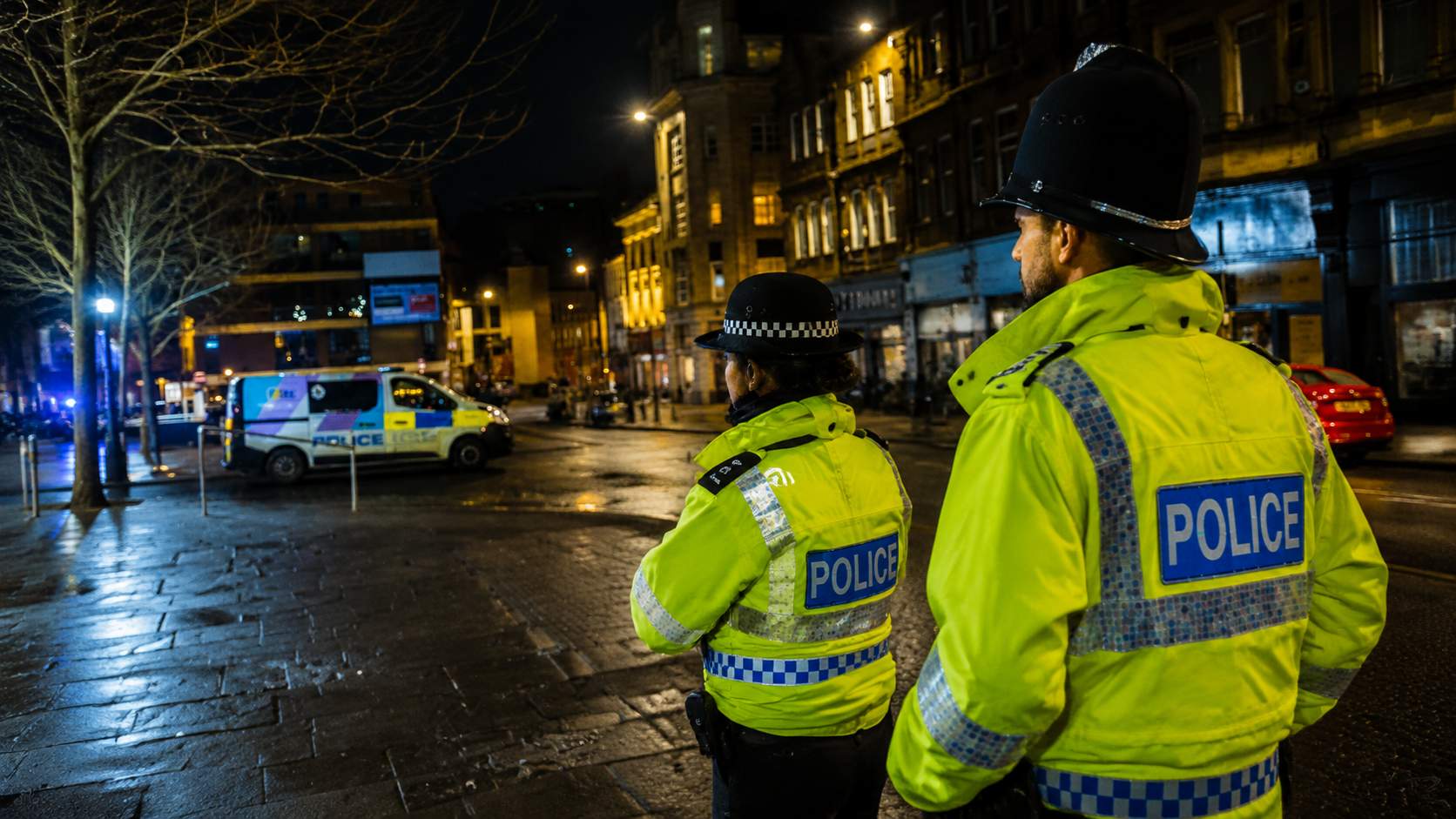
The discussion around vigilante-style groups is particularly relevant in Newcastle upon Tyne, where crime and public safety have become increasingly visible political and social issues.
Residents across parts of Newcastle and the wider North East have repeatedly voiced concerns over anti-social behaviour, violent incidents, organised exploitation and the perceived lack of visible policing in some neighbourhoods.
Community frustration has intensified in recent years following budget pressures on police forces across the UK. Northumbria Police, like many forces nationwide, has faced growing demands while attempting to manage staffing pressures and increasingly complex investigations.
For some communities, groups promising rapid responses and visible action appear attractive, especially when residents feel ignored or unsupported.
Others fear that unofficial patrols and intelligence teams risk creating confusion, encouraging confrontation and undermining trust in lawful policing methods.
Inside The Shield’s operational structure.
The Shield describes its organisation as being divided into specialist units carrying out different roles across the UK.
One of the most prominent branches is known as Vanguard, described by the group as the “front line of protection”.
According to organisational statements, Vanguard members include former military personnel, surveillance specialists and an ex-police inspector who help coordinate investigations into allegations of abuse, organised exploitation and criminal networks.
The team reportedly handles intelligence gathering, surveillance and direct engagement with suspected offenders before passing evidence to authorities.
The group insists these operations are conducted legally and professionally, with strict internal procedures designed to avoid compromising prosecutions.
Other parts of the organisation focus on community patrols, safeguarding support, logistics and digital operations.
The Shield also says volunteers work around the clock across Britain, offering support lines and operational assistance to communities.
Supporters view this structure as evidence of organisation and professionalism. Critics argue it resembles private policing without the accountability required of official law enforcement bodies.
Police concerns over independent operations.
Law enforcement experts have historically expressed caution regarding citizen-led operations, particularly those involving surveillance, direct confrontations or attempts to expose suspected offenders publicly.
Police investigations rely heavily on evidence handling, legal procedure and safeguarding protocols. Any mistakes during independent operations can potentially damage criminal cases or create legal complications.
There are also concerns about mistaken identity, misinformation and the emotional intensity that can surround community-led crime campaigns.
Former senior policing figures have repeatedly warned that public trust in justice systems can be weakened if people begin believing they must take enforcement into their own hands.
At the same time, many police forces acknowledge the important role communities play in crime prevention through neighbourhood watch schemes, reporting suspicious activity and safeguarding vulnerable people.
The challenge lies in balancing community involvement with professional oversight and legal accountability.
Why some communities support vigilante movements.
Support for organisations such as The Shield often stems from genuine fear and frustration.
Cases involving grooming gangs, child exploitation, violent crime and repeat offenders have fuelled anger in many towns and cities across Britain. High-profile scandals over the past two decades have also damaged public confidence in some institutions.
For many supporters, groups like The Shield represent action rather than bureaucracy.
The organisation’s messaging focuses heavily on protection, visibility and standing up against intimidation and abuse. That emotional appeal can be powerful in communities where residents feel vulnerable or unheard.
The Shield also emphasises volunteerism and public sacrifice, regularly praising unpaid members who dedicate time to patrols, logistics and safeguarding support.
That sense of community solidarity has helped attract growing attention online and across local areas.
Critics warn of long-term consequences.
Despite support from some communities, concerns remain about the long-term impact of vigilante-style movements in Britain.
Legal experts warn that independent enforcement groups can create dangerous grey areas around accountability and authority. Questions also remain over training standards, operational transparency and the potential for escalation during confrontations.
There are fears that public confidence in official policing could weaken further if communities increasingly turn towards unofficial groups for protection.
Some campaigners also worry that emotionally charged rhetoric surrounding crime and exploitation could increase tensions between different communities or contribute to fear-driven narratives.
Others argue that genuine solutions require greater investment in policing, safeguarding services, youth intervention programmes and mental health support rather than the expansion of citizen enforcement networks.
The future of community safety in Newcastle.
The debate surrounding groups like The Shield is unlikely to disappear anytime soon, particularly as concerns around crime and public safety continue dominating headlines in Newcastle upon Tyne and across the UK.
For some residents, community-led patrols represent strength, solidarity and action at a time when trust in institutions feels fragile.
For others, they raise uncomfortable questions about whether Britain is drifting towards a culture where private groups increasingly fill roles traditionally handled by trained police officers.
What remains clear is that fear, frustration and public demand for safety continue driving the conversation forward.
As Newcastle upon Tyne and other cities grapple with rising public concern over crime, the challenge for authorities will be rebuilding confidence while ensuring communities feel protected without encouraging dangerous forms of vigilantism.
Do you think vigilante groups help keep Newcastle upon Tyne safer, or do they create more problems for police and communities?
Local News
Community Vigilante Groups Spark Debate Over Safety
Advertisement




Comments (0)
You must be logged in to post comments.
Don't have an account? Register here
No comments yet. Be the first to share your thoughts!